

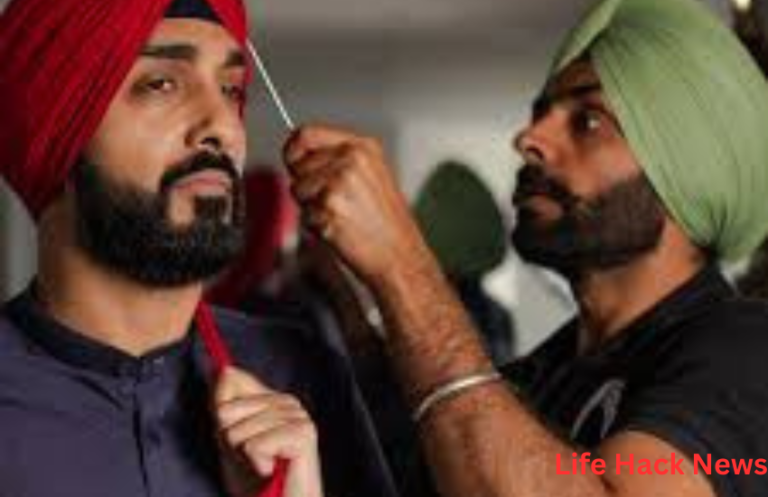
In a world driven by rapid innovation, where startups rise and fall at the speed of code deployment, tradition can sometimes feel like an afterthought. Yet, some of the most powerful ideas emerge not from abandoning heritage, but from reinterpreting it. The phrase turban and may sound like an unusual starting point in a tech conversation, but it represents something deeper: the intersection of identity, culture, and forward-thinking innovation.
For founders, entrepreneurs, and digital professionals navigating a global marketplace, understanding how tradition fits into modern branding, leadership, and product development is more relevant than ever. The story of turban and is not about clothing alone—it’s about authenticity, differentiation, and the quiet power of cultural continuity in a hyper-digital age.
The Cultural Significance Behind Turban and Identity
The turban has long stood as a symbol of dignity, responsibility, and cultural pride across various regions of the world. Whether worn for religious reasons, social status, or heritage, it carries meaning that goes far beyond aesthetics.
In today’s interconnected economy, identity plays a crucial role in shaping leadership presence. Founders who embrace their cultural background often build stronger personal brands because they stand for something recognizable and real. The concept of turban and identity becomes a metaphor for how individuals carry their history into modern spaces—boardrooms, startup ecosystems, and digital platforms.
Rather than diluting cultural markers to “fit in,” many modern leaders are doing the opposite. They are amplifying them. This shift reflects a broader movement where authenticity is no longer a risk—it’s an advantage.
Turban and Personal Branding in the Digital Age
Personal branding has evolved dramatically over the last decade. It’s no longer just about polished LinkedIn profiles or curated social feeds. It’s about storytelling—who you are, what you believe in, and how you show up consistently.
The pairing of turban and personal branding illustrates how visual identity can become a strategic asset. In crowded digital spaces, distinctiveness matters. Entrepreneurs who embrace visible elements of their culture often become more memorable, which can translate into stronger engagement and trust.
However, this isn’t about using culture as a marketing gimmick. Audiences today are highly sensitive to authenticity. When cultural identity is genuinely lived and integrated into one’s work, it resonates naturally. When it’s forced, it feels performative.
For founders, the lesson is clear: your story is your leverage. Whether it’s a turban, language, or upbringing, what makes you different can also make you valuable.
Turban and Leadership: Redefining Authority
Leadership in the startup world has traditionally followed a narrow template—Westernized, corporate, and often uniform in appearance. But that model is shifting.
The concept of turban and leadership challenges outdated assumptions about what authority looks like. Leaders today are being evaluated less on conformity and more on clarity, vision, and integrity.
When leaders visibly represent their identity, they often create more inclusive environments. Employees feel encouraged to bring their whole selves to work, which leads to higher engagement and creativity. In diverse teams, this becomes a competitive advantage.
Moreover, leaders who embrace their heritage tend to develop stronger internal alignment. They are not constantly switching personas between personal and professional spaces. That consistency builds confidence—not only in themselves but also in those who follow them.
Turban and Global Business Strategy
Globalization has made cultural intelligence a critical business skill. Companies no longer operate within isolated markets; they engage with audiences across continents, each with unique expectations and values.
The idea of turban and global strategy highlights how cultural awareness can influence decision-making. Entrepreneurs who understand the nuances of identity—both their own and others’—are better equipped to build products that resonate globally.
Consider how branding, user experience, and communication styles differ across regions. What works in Silicon Valley might not translate effectively in South Asia or the Middle East. Founders who integrate cultural sensitivity into their strategy often outperform those who rely on one-size-fits-all approaches.
Here’s a simple comparison illustrating how cultural awareness impacts business outcomes:
| Aspect | Culture-Aware Approach | Generic Approach |
|---|---|---|
| Branding | Reflects local values and identity | Uses universal but vague messaging |
| User Experience | Tailored to cultural behaviors | Assumes identical user preferences |
| Marketing Campaigns | Contextual and relatable | Broad and less engaging |
| Team Collaboration | Inclusive and diverse | Uniform but less innovative |
| Customer Trust | Stronger due to relatability | Weaker due to disconnect |
This table underscores a key point: cultural awareness isn’t just ethical—it’s strategic.
Turban and Innovation: Breaking Stereotypes
Innovation thrives on diverse perspectives. Yet, stereotypes often limit how individuals are perceived in professional spaces. The combination of turban and innovation challenges these biases head-on.
Historically, visible cultural markers have sometimes led to assumptions about capability or compatibility. But the modern innovation ecosystem is gradually dismantling these outdated views.
Today, founders and technologists who proudly represent their identity are contributing to groundbreaking advancements across industries. Their presence sends a powerful message: innovation is not confined to a single look, language, or background.
For startups, embracing diversity isn’t just about representation—it’s about expanding the pool of ideas. Different perspectives lead to better problem-solving, more creative solutions, and ultimately, stronger products.
Turban and Workplace Inclusion
Inclusion has become a central theme in modern organizations, but it’s often misunderstood. True inclusion goes beyond hiring diverse talent—it’s about creating environments where people feel valued and respected.
The intersection of turban and workplace inclusion highlights the importance of visible acceptance. When employees see cultural expressions being respected rather than suppressed, it fosters a sense of belonging.
This has tangible business benefits. Inclusive workplaces tend to experience lower turnover, higher productivity, and stronger team cohesion. Employees who feel seen are more likely to contribute meaningfully.
For founders, building an inclusive culture starts with leadership behavior. Small actions—like respecting cultural attire or encouraging open dialogue—can have a significant impact on team dynamics.
Turban and the Future of Work
The future of work is being shaped by remote collaboration, digital transformation, and evolving workforce expectations. In this new landscape, identity is becoming more fluid yet more important at the same time.
The phrase turban and the future of work represents a broader shift toward individuality within professional spaces. As physical offices become less central, people are redefining how they present themselves and connect with others.
Video calls, virtual events, and online communities have created new opportunities for self-expression. Cultural identity, once confined to specific contexts, is now visible on global platforms.
This visibility brings both opportunities and responsibilities. Professionals must navigate how they represent themselves while organizations must ensure that diversity is respected across digital environments.
Practical Takeaways for Founders and Professionals
While the discussion around turban and may seem symbolic, its implications are highly practical. For those building businesses or advancing careers, several key insights emerge.
First, authenticity is a long-term asset. Trying to fit into a predefined mold may offer short-term comfort, but it rarely leads to lasting impact.
Second, cultural intelligence is essential for growth. Understanding different perspectives can unlock new markets, improve products, and strengthen relationships.
Third, inclusion drives innovation. Diverse teams consistently outperform homogeneous ones because they bring varied viewpoints to the table.
Finally, leadership is evolving. The most effective leaders today are those who combine competence with authenticity, vision with empathy, and strategy with cultural awareness.
Conclusion: Why Turban and Tradition Still Matter
At first glance, the phrase turban and might seem out of place in a conversation about startups and technology. But upon closer reflection, it represents something fundamental: the ability to carry tradition into the future without losing its essence.
In an era where differentiation is critical and authenticity is currency, cultural identity is no longer something to downplay. It’s something to embrace, refine, and integrate into every aspect of professional life.
For entrepreneurs and digital professionals, the message is clear. Innovation doesn’t require abandoning who you are. In fact, your identity—your story, your heritage, your perspective—might be the very thing that sets you apart.
As the global business landscape continues to evolve, those who successfully bridge tradition and modernity will not only stand out—they will lead.
