

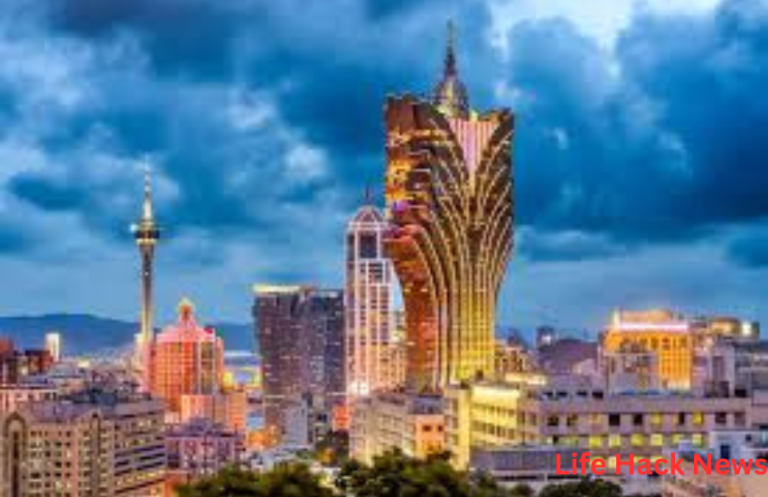
There are cities that quietly grow, and then there are places like Macau—a compact yet electrifying destination where global capital, cultural heritage, and digital ambition collide. Known historically for its vibrant gaming industry, Macau has evolved into far more than a tourism hub. Today, it stands at a fascinating crossroads of tradition and transformation, attracting not just visitors, but forward-thinking entrepreneurs and tech professionals looking for new opportunities in Asia.
For startup founders and innovators, Macau offers a unique blend of East-meets-West influence, strategic positioning near mainland China, and an economy actively diversifying beyond casinos. Understanding this shift is essential for anyone exploring emerging markets or planning expansion into Asia.
The Evolution of Macau: Beyond the Casino Floors
Macau’s identity has long been tied to its gaming sector, which remains one of the largest in the world. However, relying heavily on a single industry is rarely sustainable in the modern global economy. Recognizing this, Macau has been actively investing in diversification, particularly in technology, finance, tourism innovation, and smart city infrastructure.
This evolution is not just policy-driven—it’s a necessity. The global disruptions of recent years exposed vulnerabilities in tourism-dependent economies. Macau responded with renewed urgency, pushing initiatives that encourage startups, digital transformation, and cross-border collaboration with neighboring regions like the Greater Bay Area.
For entrepreneurs, this signals opportunity. When a mature economy begins to pivot, it creates gaps—and gaps are where innovation thrives.
Strategic Location: A Gateway to Greater Bay Area
Macau’s geographic position is one of its strongest advantages. Situated within the Guangdong-Hong Kong-Macau Greater Bay Area (GBA), it connects seamlessly to one of the most economically dynamic regions in the world.
The GBA includes major innovation hubs such as Shenzhen and Guangzhou, creating a powerful ecosystem that blends manufacturing, finance, and cutting-edge technology. For startups, being in Macau offers proximity to these resources without the intense saturation found in larger cities.
This strategic positioning allows businesses to:
- Access Chinese markets while maintaining international business frameworks
- Collaborate with tech ecosystems in nearby cities
- Benefit from cross-border infrastructure and investment programs
Macau essentially acts as a bridge—one that connects Western business practices with Eastern growth opportunities.
Government Support and Startup Ecosystem
One of the most encouraging developments in Macau is its growing support for entrepreneurship. The government has introduced funding programs, incubation centers, and innovation hubs designed to nurture startups and attract foreign investment.
Unlike larger startup ecosystems where competition for funding is fierce, Macau offers a relatively less crowded environment. This creates a more accessible entry point for early-stage founders.
Programs often focus on:
- Fintech and digital payments
- Smart tourism technologies
- Cultural and creative industries
- E-commerce and cross-border trade
Additionally, Macau’s regulatory environment is evolving to support innovation, particularly in financial technology. While still developing, this openness presents a window of opportunity for startups willing to establish an early presence.
Macau’s Digital Transformation Journey
Digital transformation is no longer optional—it’s the backbone of modern economies. Macau has recognized this and is actively investing in becoming a “smart city.”
From AI-driven tourism management to digital payment ecosystems, the city is modernizing rapidly. Public and private sectors are working together to integrate technologies that improve urban efficiency and enhance visitor experiences.
For tech professionals, this creates fertile ground for innovation. Opportunities exist in:
- Data analytics for tourism optimization
- Smart infrastructure development
- Cybersecurity solutions
- Digital identity and fintech services
The demand for digital expertise is growing, and with it comes the chance to shape an emerging tech landscape rather than compete in an oversaturated one.
Business Environment: Opportunities and Challenges
No market is without its complexities, and Macau is no exception. While the opportunities are significant, entrepreneurs must also navigate certain challenges.
Below is a snapshot of key factors to consider:
| Aspect | Opportunity | Challenge |
|---|---|---|
| Market Size | High tourist volume and regional access | Small local population |
| Regulation | Increasing openness to innovation | Evolving legal frameworks |
| Talent Pool | Access to regional expertise via GBA | Limited local tech workforce |
| Infrastructure | Strong transport and digital infrastructure | Still developing startup-specific ecosystems |
| Industry Focus | Diversification beyond gaming | Historical dependence on tourism and casinos |
Understanding these dynamics is critical. Success in Macau often depends on leveraging its strengths while strategically mitigating its limitations.
Cultural Influence: A Unique Advantage
Macau’s cultural blend is one of its most distinctive features. With a history shaped by both Chinese and Portuguese influences, the city offers a unique environment that fosters creativity and cross-cultural collaboration.
For startups in creative industries—such as design, media, and experiential technology—this cultural richness can be a powerful asset. It allows businesses to develop products and services that resonate with both Eastern and Western audiences.
Moreover, Macau’s global tourism appeal provides a built-in testing ground for new ideas. Entrepreneurs can experiment with concepts in a real-world, international setting before scaling to larger markets.
The Role of Tourism in Innovation
Tourism remains a central pillar of Macau’s economy, but it’s being reimagined through technology. This transformation is creating new opportunities for startups that can enhance visitor experiences.
Think beyond traditional travel services. The future of tourism in Macau involves:
- Augmented reality cultural tours
- AI-powered concierge services
- Blockchain-based loyalty programs
- Smart hotel ecosystems
Entrepreneurs who can merge technology with hospitality will find Macau particularly receptive. The city’s constant influx of visitors provides a dynamic environment for rapid testing and iteration.
Fintech and the Future of Finance in Macau
Financial technology is emerging as one of Macau’s most promising sectors. With its ambition to become a financial hub within the Greater Bay Area, the city is investing in digital banking, cross-border payments, and regulatory innovation.
For fintech startups, Macau offers a unique proposition: access to Chinese markets combined with international financial practices. This dual advantage can be particularly valuable for companies focused on global transactions and digital currencies.
However, the sector is still developing, which means early movers have a significant advantage. Building relationships with local institutions and regulators can position startups for long-term success.
Why Entrepreneurs Should Pay Attention Now
Timing is everything in business. Entering a market too early can be risky, but arriving too late often means missing the most lucrative opportunities.
Macau is currently in that rare “in-between” phase—a market with established infrastructure but still evolving in terms of innovation and diversification. This creates a sweet spot for entrepreneurs.
Key reasons to consider Macau now include:
- Government-backed diversification efforts
- Growing integration with the Greater Bay Area
- Increasing demand for digital solutions
- Less competitive startup landscape compared to major cities
For founders willing to think strategically, Macau offers the chance to build something meaningful before the ecosystem becomes crowded.
A Forward-Looking Perspective
Looking ahead, Macau’s trajectory is clear. The city is committed to transforming itself into a diversified, innovation-driven economy. While gaming will remain part of its identity, the future lies in technology, finance, and creative industries.
This shift will not happen overnight, but the momentum is undeniable. As infrastructure improves and policies continue to evolve, Macau is likely to attract more global talent and investment.
For tech professionals and entrepreneurs, this represents more than just a business opportunity—it’s a chance to be part of a larger transformation.
Conclusion: Macau as a Launchpad for Innovation
Macau is no longer just a destination; it’s becoming a platform. A platform where tradition meets technology, where global ambition intersects with regional opportunity, and where startups can carve out a niche in a rapidly evolving market.
For entrepreneurs seeking the next frontier, Macau offers a compelling case. It combines strategic location, cultural richness, and a growing commitment to innovation—all within a manageable and accessible ecosystem.
The real question isn’t whether Macau will transform—it already is. The question is whether you’ll be part of that transformation.
