

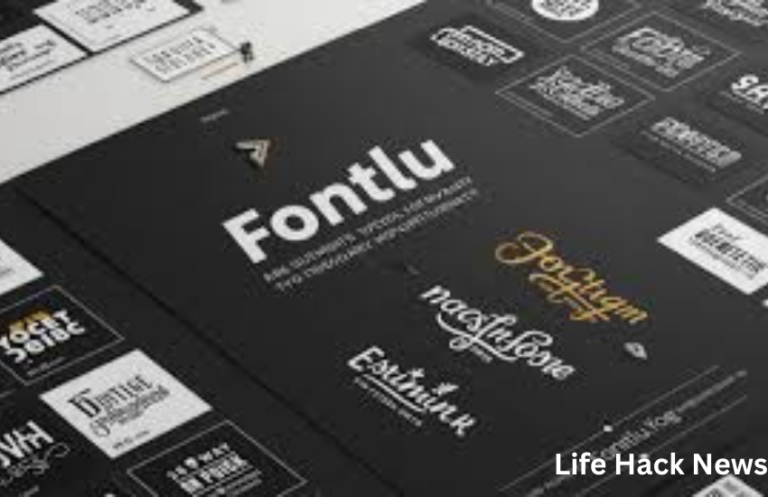
In a world where attention spans are shrinking and visual identity carries as much weight as product quality, typography has quietly become one of the most powerful tools in a brand’s arsenal. Enter fontlu—a concept that’s rapidly gaining traction among startups, designers, and digital strategists looking to elevate their brand presence through smarter font decisions. While it may sound like just another design trend, fontlu represents something deeper: a shift toward intentional, strategic typography that directly impacts user perception, engagement, and trust.
For founders and tech professionals navigating crowded digital ecosystems, understanding fontlu isn’t optional—it’s becoming essential.
Table of Contents
ToggleWhat Is Fontlu and Why It Matters
At its core, fontlu refers to a strategic approach to typography that blends branding psychology, user experience (UX), and performance optimization. It’s not just about picking a font that “looks good”—it’s about selecting and implementing typefaces that align with a company’s voice, improve readability across devices, and reinforce credibility.
Think about the last time you visited a website that felt instantly trustworthy. Chances are, typography played a role. Clean, well-spaced fonts signal professionalism, while inconsistent or overly decorative text can create friction or even doubt.
Fontlu operates at the intersection of design and decision-making. It asks questions like:
- Does this font reflect our brand personality?
- Is it optimized for mobile and accessibility?
- Does it enhance or hinder user comprehension?
For startups especially, where first impressions can make or break growth, these questions are critical.
The Evolution of Typography in the Digital Age
Typography has evolved dramatically over the past decade. What began as a limited selection of web-safe fonts has expanded into a nearly limitless library of digital typefaces. With tools like variable fonts and responsive design frameworks, businesses now have unprecedented control over how text appears across devices.
Fontlu builds on this evolution by introducing a more disciplined, data-informed approach. Instead of experimenting randomly, companies are using analytics and behavioral insights to guide their typography choices.
For example, research shows that users are more likely to engage with content that is easy to scan. This has led to a rise in sans-serif fonts for digital platforms, as well as increased attention to line spacing, font weight, and contrast.
Fontlu takes these insights and turns them into a repeatable strategy.
How Fontlu Impacts Brand Identity
Brand identity is more than logos and color palettes—it’s the complete sensory experience a company delivers. Typography plays a central role in that experience, often acting as the “voice” of the brand in written form.
A fintech startup, for instance, might use a clean, modern font to convey trust and efficiency. A creative agency, on the other hand, might opt for a more expressive typeface to showcase originality.
Fontlu helps businesses align these choices with their broader brand narrative. Instead of treating fonts as an afterthought, it positions them as a foundational element of identity.
Key Brand Attributes Influenced by Fontlu
| Attribute | Typography Impact | Example Outcome |
|---|---|---|
| Trust | Clean, readable fonts | Increased user confidence |
| Innovation | Modern, minimalist typefaces | Perception of forward-thinking |
| Creativity | Unique or stylized fonts | Strong visual differentiation |
| Accessibility | High contrast and legible font sizes | Broader audience reach |
| Consistency | Unified typography across platforms | Stronger brand recognition |
This table illustrates how fontlu connects typography decisions directly to business outcomes—a perspective that resonates strongly with data-driven leaders.
Fontlu and User Experience: A Hidden Growth Lever
User experience is often discussed in terms of navigation, speed, and interface design. Typography, however, is frequently overlooked despite its profound impact on usability.
Fontlu emphasizes readability and cognitive ease. When users can quickly absorb information, they are more likely to stay engaged, explore further, and convert.
Consider the difference between dense, cramped text and well-spaced, visually balanced content. The latter not only looks better but also reduces cognitive load, making it easier for users to process information.
For SaaS platforms and digital products, this can translate into:
- Lower bounce rates
- Higher session durations
- Improved onboarding experiences
In other words, better typography isn’t just aesthetic—it’s measurable.
Practical Applications of Fontlu for Startups
For entrepreneurs and early-stage companies, implementing fontlu doesn’t require a massive design team or budget. It starts with intentionality and a few key principles.
First, choose a primary typeface that aligns with your brand’s tone. This should be used consistently across your website, app, and marketing materials.
Second, establish a clear hierarchy. Headlines, subheadings, and body text should be visually distinct but harmonious. This helps guide the reader’s attention and improves content flow.
Third, optimize for performance. Web fonts can impact loading speed, so it’s important to balance aesthetics with efficiency. Tools like font subsetting and compression can help.
Finally, test and iterate. A/B testing different typography styles can reveal surprising insights about user behavior.
Fontlu is not a one-time decision—it’s an ongoing process.
The Role of Fontlu in Mobile-First Design
With the majority of web traffic now coming from mobile devices, typography must adapt to smaller screens and varying resolutions. Fontlu places strong emphasis on responsiveness and adaptability.
Mobile-friendly typography involves:
- Larger font sizes for readability
- Adequate line spacing to prevent clutter
- Simplified font families to reduce load times
Variable fonts are particularly relevant here, as they allow multiple styles within a single file, improving both performance and flexibility.
For startups targeting global audiences, this is especially important. Users accessing your platform from different devices and network conditions should have a consistent, high-quality experience.
Fontlu and Accessibility: Designing for Everyone
Accessibility is no longer a niche concern—it’s a business imperative. Inclusive design ensures that digital products can be used by people of all abilities, including those with visual impairments or reading difficulties.
Fontlu incorporates accessibility best practices into typography decisions. This includes:
- Choosing fonts with clear letterforms
- Maintaining sufficient contrast between text and background
- Avoiding overly decorative or complex typefaces
These choices not only improve usability but also demonstrate social responsibility—an increasingly important factor for modern consumers.
Moreover, accessible design often leads to better overall UX, benefiting all users, not just those with specific needs.
Common Mistakes to Avoid with Fontlu
Despite its benefits, many companies struggle to implement fontlu effectively. One common mistake is overloading designs with too many fonts. This creates visual chaos and undermines consistency.
Another issue is prioritizing style over substance. While unique fonts can be eye-catching, they should never compromise readability.
Inconsistent typography across platforms is another pitfall. A brand that uses different fonts on its website, app, and marketing materials risks confusing its audience.
Finally, ignoring performance can be costly. Heavy font files can slow down websites, negatively impacting both user experience and search rankings.
Fontlu addresses these challenges by promoting a balanced, strategic approach.
The Future of Fontlu in Digital Branding
As technology continues to evolve, so too will typography. Artificial intelligence and machine learning are already being used to analyze user behavior and recommend design improvements, including font choices.
In the future, we can expect fontlu to become even more data-driven. Personalized typography—where fonts adapt to individual user preferences—may become a reality.
Additionally, as immersive technologies like augmented reality (AR) and virtual reality (VR) gain traction, typography will need to adapt to new environments and interaction models.
For forward-thinking companies, staying ahead of these trends will be key to maintaining a competitive edge.
Why Fontlu Is More Than a Design Trend
It’s tempting to view fontlu as just another buzzword in the ever-changing world of digital design. But its implications go far beyond aesthetics.
Fontlu represents a mindset shift—one that recognizes typography as a strategic asset rather than a decorative element. It bridges the gap between design and business, showing how seemingly small choices can have significant impact.
For startup founders and tech professionals, this perspective is invaluable. In a landscape where differentiation is difficult and user expectations are high, every detail matters.
Typography is no exception.
Conclusion: Elevating Your Brand Through Fontlu
Fontlu is not about chasing trends or copying competitors. It’s about making intentional, informed decisions that align with your brand’s identity and your users’ needs.
By focusing on readability, consistency, performance, and accessibility, businesses can transform typography into a powerful tool for growth. Whether you’re building a new product or refining an existing platform, embracing fontlu can help you create a more compelling and effective digital presence.
In the end, the fonts you choose are more than just letters on a screen—they’re a reflection of who you are as a brand. With fontlu, that reflection becomes sharper, clearer, and far more impactful.
