

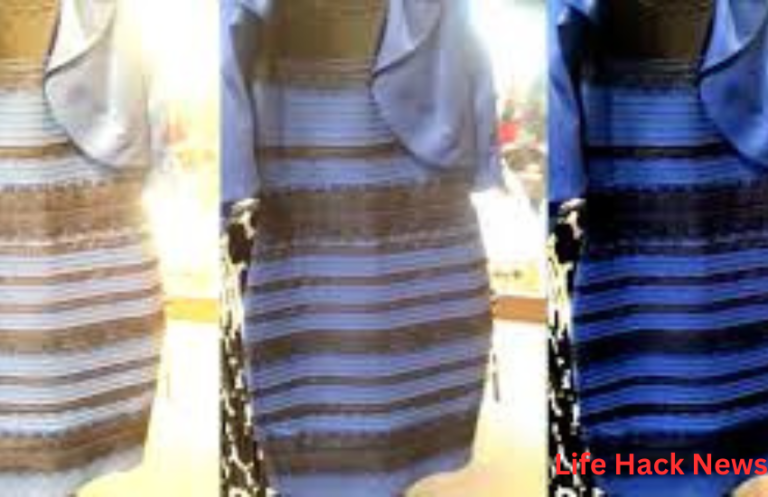
The question “dress what colour?” may sound simple, but it’s one of the most common and surprisingly complex decisions people face daily. Whether you’re stepping into a boardroom, attending a startup pitch, or heading out for a casual dinner, the color you choose to wear can subtly influence perception, confidence, and even outcomes. In a world where first impressions are often formed in seconds, understanding how to choose the right color is not just about style—it’s about strategy.
For founders, entrepreneurs, and professionals navigating high-stakes environments, clothing becomes a form of non-verbal communication. The right color can convey authority, creativity, trustworthiness, or approachability. The wrong one can unintentionally send mixed signals. So how do you answer the question: dress what colour?
Why Color Choice Matters More Than You Think
Color psychology plays a significant role in how others perceive you and how you feel about yourself. Research has consistently shown that colors influence mood, cognition, and behavior. For example, blue is often associated with trust and stability, while red can signal power or urgency.
In professional settings, this becomes particularly relevant. Imagine pitching to investors while wearing a color that subconsciously signals uncertainty or distraction. Now compare that to wearing a tone that aligns with confidence and clarity. The difference may not be obvious, but it’s impactful.
Beyond psychology, color also interacts with lighting, skin tone, and context. What works in a well-lit office may not translate well in an evening event. This is why choosing the right color isn’t about trends—it’s about alignment.
Dress What Colour Based on Skin Tone
One of the most reliable ways to determine what color suits you is by understanding your skin tone. While fashion trends evolve, your natural undertone remains constant.
People generally fall into three categories: warm, cool, and neutral undertones. Warm undertones often pair well with earthy colors like olive, mustard, and rust. Cool undertones shine in shades like navy, emerald, and burgundy. Neutral undertones have the flexibility to wear a wide range of colors effectively.
This isn’t about strict rules but about enhancing your natural appearance. When the color complements your skin tone, it creates a balanced and polished look without effort.
The Role of Occasion in Choosing Color
Context is everything. The same color can communicate entirely different messages depending on where and when you wear it.
In corporate environments, darker tones such as navy, charcoal, and black often signal professionalism and authority. These are safe choices for meetings, presentations, and formal events. On the other hand, lighter tones like pastels or soft neutrals can work well in creative industries or relaxed settings.
For social events, you have more freedom. This is where personality can shine through color. Bright hues can signal energy and confidence, while softer shades can create a more approachable and relaxed vibe.
Understanding the occasion helps narrow down the options and ensures your color choice aligns with expectations.
Dress What Colour to Influence Perception
If you’ve ever wondered why certain leaders consistently wear similar colors, it’s not accidental. Many professionals use color intentionally to shape perception.
Blue is widely regarded as the most universally trusted color. It’s a go-to choice for interviews, client meetings, and public appearances. Black, on the other hand, conveys sophistication and authority but can sometimes feel distant if overused.
Red is powerful but should be used strategically. It can command attention, making it ideal for presentations or situations where you want to stand out. However, too much red can feel aggressive.
White communicates simplicity and clarity, often used to project transparency and focus. Grey sits comfortably in the middle, offering neutrality and balance.
Here’s a quick reference to how common colors are perceived:
| Color | Perception | Best Use Case |
|---|---|---|
| Blue | Trust, stability, calm | Meetings, interviews, presentations |
| Black | Authority, sophistication | Formal events, leadership roles |
| Red | Energy, power, urgency | Speaking engagements, bold statements |
| White | Cleanliness, simplicity | Minimalist settings, summer wear |
| Grey | Neutrality, balance | Daily professional wear |
| Green | Growth, harmony | Creative fields, innovation settings |
| Yellow | Optimism, attention | Casual settings, creative expression |
This table isn’t about rigid rules but about understanding how color communicates before you even speak.
Seasonal Considerations: Dress What Colour Year-Round
Another practical layer to consider is seasonality. Colors that feel appropriate in one season may feel out of place in another.
Spring and summer typically call for lighter, brighter shades. Think soft blues, whites, and pastels. These colors reflect light and create a fresh, energetic appearance.
Autumn and winter lean toward deeper, richer tones like burgundy, forest green, and navy. These colors add warmth and depth, aligning with the environment.
Adapting your wardrobe to the season not only keeps you visually relevant but also enhances comfort and practicality.
Personal Branding Through Color
For entrepreneurs and professionals, color becomes part of personal branding. Just as companies use consistent color schemes to build recognition, individuals can do the same.
Think about how some leaders are instantly recognizable by their consistent style choices. This doesn’t mean wearing the same outfit every day, but it does mean having a defined color palette that reflects your identity.
For example, someone in tech might lean toward minimalist tones like black, grey, and white to signal clarity and focus. A creative professional might incorporate bolder colors to reflect innovation and originality.
The key is consistency. When people associate you with a certain aesthetic, it strengthens your personal brand.
Dress What Colour for Confidence
One of the most overlooked aspects of choosing color is how it affects your own mindset. The right color doesn’t just influence others—it influences you.
Wearing a color that you feel good in can boost confidence, improve posture, and even enhance communication. This is often referred to as “enclothed cognition,” where clothing impacts psychological processes.
If you’ve ever worn an outfit that made you feel unstoppable, you’ve experienced this firsthand. That feeling isn’t random—it’s tied to how the color, fit, and context align with your identity.
Confidence, in turn, affects how others perceive you, creating a powerful feedback loop.
Common Mistakes to Avoid
While exploring the question “dress what colour,” it’s easy to fall into common traps. One of the biggest mistakes is blindly following trends. Just because a color is popular doesn’t mean it suits your tone, role, or environment.
Another mistake is ignoring contrast. Wearing colors that are too close to your skin tone can create a washed-out appearance. On the flip side, overly bright or clashing colors can feel overwhelming.
Overcomplicating choices is also a common issue. You don’t need an extensive wardrobe—just a well-thought-out palette that works across different situations.
Finally, inconsistency can dilute your personal style. Frequently switching between drastically different color schemes can make your appearance feel unstructured.
A Practical Framework for Choosing the Right Color
To simplify the process, think of color selection as a three-step framework: context, compatibility, and confidence.
Start with context. Where are you going? What is expected? This immediately narrows your choices.
Next is compatibility. Does the color complement your skin tone and overall appearance? This ensures visual harmony.
Finally, consider confidence. Do you feel good wearing it? If the answer is yes, you’ve likely made the right choice.
This approach removes guesswork and makes the process intuitive rather than overwhelming.
The Future of Color in a Digital-First World
As more interactions move online, color choice takes on new dimensions. Video calls, digital presentations, and social media profiles all amplify the importance of visual appearance.
Certain colors appear differently on camera. For instance, overly bright whites can wash out under lighting, while deep blues and greens tend to display well. Patterns can also distort on screen, making solid colors a safer choice.
For professionals building a digital presence, understanding how colors translate across screens is becoming increasingly important. Your on-camera appearance is now part of your brand.
Conclusion: Dress What Colour with Purpose
So, dress what colour? The answer isn’t a single shade or universal rule—it’s a thoughtful decision based on context, psychology, and personal identity.
Color is a powerful tool that goes beyond aesthetics. It shapes perception, reinforces branding, and influences confidence. When used intentionally, it becomes an asset rather than an afterthought.
For entrepreneurs, founders, and professionals, mastering this seemingly simple choice can create a subtle yet meaningful advantage. The next time you stand in front of your wardrobe, remember: you’re not just choosing what to wear—you’re choosing how to be perceived.
