

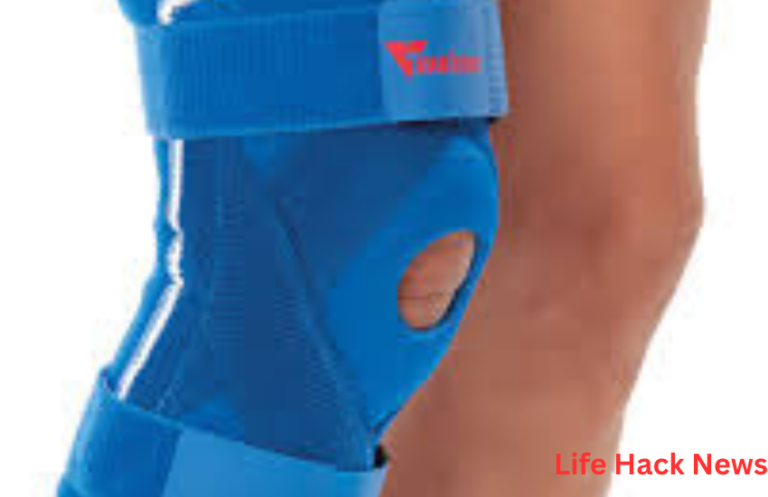
In fast-paced environments—whether you’re scaling a startup or pushing your limits in sports—injuries can feel like an unacceptable pause button. Among the most disruptive is an ACL injury, a condition that doesn’t just affect athletes but also active professionals who value mobility, consistency, and performance. A knee brace for ACL injuries often becomes a critical part of recovery, but understanding how and when to use one can make all the difference between a smooth comeback and prolonged setbacks.
This isn’t just about medical gear—it’s about regaining control, optimizing recovery, and making informed decisions that align with a high-performance lifestyle.
Understanding ACL Injuries in a High-Performance World
The anterior cruciate ligament (ACL) plays a central role in stabilizing the knee joint, especially during sudden changes in direction or high-impact movement. While commonly associated with sports like football or basketball, ACL injuries can happen to anyone—slipping on a wet floor, missing a step, or even improper posture during workouts.
For entrepreneurs and tech professionals, the impact goes beyond physical discomfort. It affects productivity, mental focus, and overall quality of life. Recovery becomes not just a health priority, but a performance strategy.
Why a Knee Brace for ACL Injuries Matters
A knee brace is not a one-size-fits-all solution, but when used correctly, it serves several key functions. It stabilizes the joint, reduces strain on the healing ligament, and provides psychological confidence during movement. For individuals who need to stay mentally sharp and physically active, that confidence is invaluable.
There are different phases of recovery, and the role of a knee brace evolves with each stage. Immediately after injury or surgery, the focus is on immobilization and protection. As healing progresses, the brace transitions into a support system that allows controlled movement and gradual return to activity.
Types of Knee Braces for ACL Injuries
Choosing the right knee brace is less about brand and more about function. Each type serves a specific purpose depending on the severity of the injury and the stage of recovery.
| Type of Brace | Best For | Key Features |
|---|---|---|
| Functional Brace | Post-surgery recovery | Hinged design, supports ligament stability |
| Rehabilitative Brace | Early-stage recovery | Limits motion, protects healing tissue |
| Prophylactic Brace | Injury prevention | Lightweight, worn during activity |
| Compression Sleeve | Mild support and swelling control | Elastic material, improves circulation |
A functional brace is often recommended after ACL reconstruction surgery. It allows controlled movement while preventing excessive rotation or extension. Rehabilitative braces, on the other hand, are more restrictive and typically used in the early healing phase.
The Psychological Edge: Confidence and Control
There’s a subtle but powerful psychological component to wearing a knee brace. For many, it acts as a safety net—reducing fear of re-injury and enabling more natural movement. This is particularly relevant for professionals who rely on physical activity as part of their daily routine, whether it’s commuting, exercising, or simply staying active to manage stress.
Confidence in movement translates to better posture, improved balance, and ultimately, faster recovery. It’s not just about protecting the knee—it’s about restoring trust in your body.
When Should You Start Using a Knee Brace?
Timing is critical. Using a knee brace too early or too late can impact recovery outcomes. In most cases, a healthcare provider will recommend a brace immediately after diagnosis or surgery. However, the type and duration of use will vary.
In the acute phase, the goal is to minimize movement and protect the joint. As swelling decreases and mobility improves, the brace becomes more dynamic—allowing movement while still offering support.
For professionals eager to return to their routine, this phase requires patience. Rushing the process can lead to complications, including re-injury or chronic instability.
Integrating a Knee Brace into Your Daily Routine
Wearing a knee brace consistently is essential, but it shouldn’t disrupt your lifestyle. Modern designs are increasingly ergonomic, allowing for use under clothing and during various activities.
For those working long hours at a desk, it’s important to combine brace usage with proper ergonomics. Sitting posture, desk height, and regular movement all play a role in recovery. A knee brace supports the joint, but it doesn’t replace the need for holistic care.
Incorporating physical therapy exercises alongside brace usage can significantly enhance outcomes. Strengthening the surrounding muscles—particularly the quadriceps and hamstrings—helps offload stress from the ACL and improves overall joint stability.
Common Mistakes to Avoid
One of the most common errors is over-reliance on the brace. While it provides support, it should not become a substitute for muscle strength or proper rehabilitation. Another mistake is choosing the wrong type of brace without professional guidance. Ill-fitting or inappropriate braces can do more harm than good.
Skipping follow-up consultations is another risk. Recovery from an ACL injury is not linear, and adjustments to your treatment plan—including brace usage—may be necessary.
Cost vs. Value: Making a Smart Investment
Knee braces can range from affordable compression sleeves to high-end functional braces with advanced materials and adjustability. For startup founders and professionals used to evaluating ROI, this is a familiar decision-making process.
The key is to assess value, not just cost. A well-designed brace that accelerates recovery and prevents re-injury is an investment in your productivity and long-term health. Cutting corners here can lead to extended downtime and higher medical expenses later.
The Role of Technology in Modern Knee Braces
Innovation is reshaping the landscape of orthopedic support. Some advanced knee braces now incorporate smart features—tracking movement, providing feedback, and even integrating with mobile apps. While still emerging, these technologies align well with the data-driven mindset of tech professionals.
Imagine receiving real-time insights on your movement patterns or alerts when you’re exceeding safe limits. This level of feedback can transform recovery from a passive process into an active, informed journey.
Returning to Peak Performance
The ultimate goal is not just recovery, but a return to full performance. Whether that means getting back to the gym, resuming travel, or simply moving without pain, a knee brace can be a valuable tool in that journey.
However, it’s important to recognize that the brace is part of a broader strategy. Nutrition, sleep, physical therapy, and mental resilience all contribute to successful recovery. High performers understand that optimization is holistic—and injury recovery is no exception.
Conclusion: A Strategic Approach to Recovery
A knee brace for ACL injuries is more than a medical accessory—it’s a strategic tool for recovery, stability, and confidence. For individuals who operate in high-demand environments, the ability to recover efficiently and return to peak performance is not optional—it’s essential.
By understanding the types of braces available, using them appropriately, and integrating them into a comprehensive recovery plan, you can turn a setback into a structured comeback. The key is to approach recovery with the same level of intention and insight that you bring to your professional life.
