

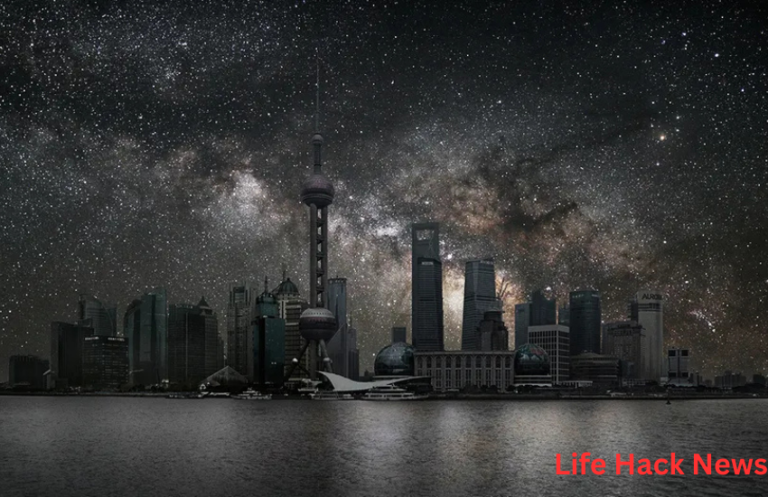
When cities go dark, the consequences extend far beyond flickering lights and stalled traffic. In today’s hyperconnected economy, darkened cities represent a critical vulnerability—one that disrupts businesses, paralyzes digital infrastructure, and exposes how fragile modern urban systems can be. For startup founders, entrepreneurs, and tech professionals, understanding this phenomenon isn’t just about resilience—it’s about survival and opportunity.
The Rise of Darkened Cities in a Digital Age
The term darkened cities once evoked images of natural disasters or wartime blackouts. Today, it increasingly reflects a broader and more complex reality. Power outages are no longer isolated incidents; they are becoming more frequent due to aging infrastructure, climate change, cyber threats, and rapid urbanization.
In cities where everything from payments to logistics depends on uninterrupted electricity, even a short outage can cascade into a full-scale operational crisis. Cloud services go offline, communication networks falter, and entire supply chains grind to a halt.
For startups that rely on lean operations and real-time data, the margin for error is slim. A few hours of downtime can mean lost revenue, damaged customer trust, and missed opportunities that competitors are quick to seize.
Why Darkened Cities Matter to Founders and Innovators
For entrepreneurs building in fast-moving markets, the concept of darkened cities isn’t theoretical—it’s a strategic concern. Modern startups are deeply embedded in digital ecosystems. When power fails, these ecosystems collapse.
Consider a fintech startup processing thousands of transactions per minute. A sudden outage can disrupt payment gateways, delay settlements, and expose vulnerabilities in backup systems. Similarly, SaaS companies risk service-level agreement breaches, while e-commerce platforms face abandoned carts and logistical confusion.
The stakes are even higher for startups operating in emerging markets, where infrastructure inconsistencies are more common. Founders must design systems that assume failure rather than resist it.
The Anatomy of a Modern Blackout
Understanding how darkened cities emerge requires a look at the interconnected systems that power urban life. A blackout today is rarely caused by a single failure. Instead, it is often the result of cascading disruptions across multiple layers:
- Electrical grids strained by demand spikes
- Weather events damaging transmission lines
- Cyberattacks targeting critical infrastructure
- Human error in grid management systems
Once the initial disruption occurs, dependencies amplify the impact. Telecommunications rely on power. Data centers rely on cooling systems. Transportation networks depend on signaling infrastructure. When one fails, others follow.
This interconnectedness is both the strength and weakness of modern cities.
Economic Fallout: More Than Lost Electricity
The economic implications of darkened cities are profound and often underestimated. Beyond immediate losses, outages create ripple effects that can linger for weeks or months.
A useful way to understand this is by examining the different layers of impact:
| Impact Area | Immediate Effect | Long-Term Consequence |
|---|---|---|
| Startups & SMEs | Revenue loss, halted operations | Customer churn, reputational damage |
| Large Enterprises | Production downtime | Supply chain disruption |
| Digital Infrastructure | Service outages | Data inconsistency, trust erosion |
| Workforce | Productivity loss | Delayed projects, missed deadlines |
| Consumers | Inconvenience, limited access to services | Reduced confidence in digital platforms |
For founders, the key takeaway is that outages are not just technical issues—they are business risks that require strategic planning.
The Role of Climate and Urban Growth
Climate change is a major driver behind the increasing frequency of darkened cities. Heatwaves push grids beyond capacity, while storms and flooding damage infrastructure. At the same time, rapid urbanization is placing unprecedented demand on already stressed systems.
Cities are expanding faster than their infrastructure can keep up. New businesses, residential developments, and digital services all compete for the same finite energy resources. Without significant investment in modernization, outages will become more common.
For tech professionals, this creates both a challenge and an opportunity. The need for smarter, more resilient systems is driving innovation in energy management, predictive analytics, and decentralized power solutions.
Building Resilient Startups in an Unstable Grid
Resilience is no longer optional. Startups must proactively prepare for the reality of darkened cities by embedding redundancy and flexibility into their operations.
This starts with infrastructure choices. Cloud-based systems with multi-region deployment can mitigate the impact of localized outages. Edge computing can ensure critical functions continue even when central systems fail.
Backup power solutions, such as generators and battery storage, are becoming essential for businesses with physical operations. Meanwhile, remote work capabilities allow teams to remain productive even when offices are affected.
But resilience is not just about technology—it’s also about mindset. Founders must anticipate disruptions and design processes that can adapt quickly.
The Cybersecurity Dimension
An often-overlooked aspect of darkened cities is the role of cybersecurity. As power grids become more digitized, they also become more vulnerable to cyberattacks.
A coordinated attack on energy infrastructure can trigger widespread outages, affecting millions of people and businesses. For startups, this underscores the importance of securing not just their own systems but also understanding the vulnerabilities of the infrastructure they depend on.
Cyber resilience strategies should include:
- Regular security audits
- Redundant communication channels
- Incident response planning
In a world where digital and physical systems are intertwined, security cannot be treated as an afterthought.
Innovation Opportunities in the Face of Darkness
While darkened cities pose significant challenges, they also open the door to innovation. Some of the most impactful startups today are addressing the very problems that outages create.
Energy tech companies are developing decentralized grids, allowing communities to generate and store their own power. AI-driven platforms are predicting outages before they occur, enabling proactive maintenance. Meanwhile, blockchain-based solutions are exploring new ways to manage energy distribution and transactions.
For entrepreneurs, the question is not just how to survive outages, but how to build solutions that make them less disruptive—or even obsolete.
Lessons from Recent Blackouts
Recent large-scale outages around the world offer valuable insights. In many cases, the most resilient organizations were not the largest or the most well-funded, but the most prepared.
They had contingency plans, diversified infrastructure, and clear communication strategies. They understood that in moments of crisis, speed and adaptability matter more than perfection.
Startups can learn from these examples by conducting their own stress tests. What happens if your primary systems go offline? How quickly can you recover? Who is responsible for decision-making during a crisis?
Answering these questions in advance can make the difference between a temporary setback and a catastrophic failure.
The Human Factor in Darkened Cities
Amid all the technology and infrastructure, it’s easy to overlook the human element. Darkened cities affect people first—employees, customers, and communities.
Clear communication during outages is critical. Customers need to know what’s happening and when services will be restored. Employees need guidance on how to continue their work. Transparency builds trust, even in difficult পরিস্থিতations.
For leaders, this is an opportunity to demonstrate reliability and empathy. How a company responds during a crisis can shape its reputation for years to come.
Preparing for an Uncertain Future
The reality is that darkened cities are not going away. If anything, they are likely to become more common as global challenges intensify.
For startup founders and tech professionals, this means embracing a new kind of thinking—one that prioritizes resilience, adaptability, and innovation. It means investing in systems that can withstand disruption and building teams that can respond effectively when things go wrong.
It also means recognizing that outages are not just risks to be managed, but signals of deeper systemic issues that require long-term solutions.
Conclusion: Turning Darkness into Opportunity
Darkened cities reveal the hidden fragility of our modern world, but they also highlight its potential for reinvention. For entrepreneurs and innovators, these moments of disruption are opportunities to rethink how systems are built and how businesses operate.
The companies that thrive in this environment will be those that anticipate change, embrace resilience, and see challenges as catalysts for innovation. In a world where the lights may go out unexpectedly, success belongs to those who are prepared to keep moving forward—no matter what.
