

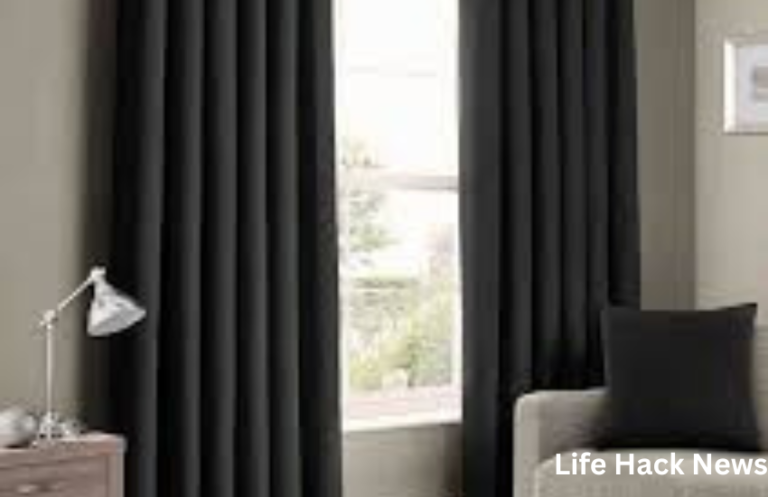
Walk into any thoughtfully designed room, and you’ll notice something subtle yet powerful: curtains. They don’t demand attention like furniture or technology, yet they quietly influence how a space feels, functions, and even performs. For startup founders, entrepreneurs, and tech professionals—people who spend long hours in workspaces that blur the line between home and office—curtains are far more than decorative fabric. They are tools of productivity, mood, privacy, and even energy efficiency.
In today’s fast-moving, design-conscious world, curtains have evolved into a strategic element of interior environments. Whether you’re setting up a home office, designing a co-working hub, or optimizing a startup workspace, understanding how to choose and use curtains effectively can make a tangible difference.
Why Curtains Matter More Than Ever
Modern work culture has shifted dramatically. Remote work, hybrid offices, and digital-first startups have redefined how spaces are used. A room is no longer just a room—it’s a meeting space, a creative lab, a content studio, and sometimes even a place to unwind after a long day.
Curtains play a crucial role in shaping these multifunctional environments. They influence lighting, acoustics, temperature, and privacy—all essential factors for productivity and comfort. Natural light, for example, is known to improve focus and well-being. However, too much glare can disrupt screen work. Curtains provide that fine balance.
Beyond functionality, curtains also contribute to the psychological tone of a space. Soft, flowing fabrics can create a calming atmosphere, while structured, minimal designs can enhance focus and professionalism.
Curtains as a Productivity Tool
At first glance, it might seem like a stretch to link curtains with productivity. But consider this: your environment directly impacts your cognitive performance. Lighting, temperature, and noise levels all play a role in how effectively you work.
Curtains help regulate these factors in several ways. They control natural light, reducing glare on screens without eliminating daylight entirely. This is particularly important for developers, designers, and digital professionals who spend hours in front of monitors.
They also act as a layer of insulation. Thick curtains can help maintain room temperature, reducing reliance on heating or cooling systems. This not only improves comfort but can also lower energy costs—an important consideration for startups managing tight budgets.
Acoustics is another often-overlooked benefit. In open or minimally furnished spaces, sound can echo and create distractions. Curtains absorb sound, making conversations clearer and reducing background noise.
Choosing the Right Curtains for Different Spaces
Not all curtains are created equal. The right choice depends on the purpose of the space and the kind of work being done there. A home office requires different considerations than a collaborative workspace or a client-facing meeting room.
The table below outlines how different types of curtains align with specific needs:
| Space Type | Recommended Curtain Type | Key Benefits | Ideal Fabric |
|---|---|---|---|
| Home Office | Light-filtering curtains | Balanced natural light, reduced glare | Linen or cotton blends |
| Co-working Space | Acoustic curtains | Noise reduction, improved focus | Heavy polyester blends |
| Meeting Rooms | Blackout curtains | Privacy, controlled lighting | Thick layered fabrics |
| Creative Studios | Sheer curtains | Soft lighting, aesthetic appeal | Lightweight voile |
| Executive Offices | Layered curtains | Flexibility, premium look | Silk or velvet blends |
This structured approach ensures that curtains are not just an afterthought but a deliberate design decision aligned with functionality.
Curtains and Brand Identity
For startups and modern businesses, branding extends beyond logos and websites. Physical spaces are a reflection of a company’s identity. The colors, textures, and materials used in a workspace send subtle messages to employees, clients, and partners.
Curtains can reinforce this identity. A tech startup focused on innovation might opt for sleek, minimal designs in neutral tones. A creative agency, on the other hand, may experiment with bold patterns and textures to inspire creativity.
Even the way curtains are installed—floor-to-ceiling for a dramatic effect or neatly fitted for a clean look—can influence how a space is perceived. These choices contribute to storytelling, helping a brand communicate its values without saying a word.
Smart Curtains and the Rise of Automation
As technology continues to integrate into every aspect of life, curtains are no exception. Smart curtains are becoming increasingly popular, especially among tech-savvy professionals and modern offices.
These systems allow users to control curtains through mobile apps, voice assistants, or automated schedules. Imagine starting your day with curtains that open gradually, letting in natural light as you prepare for work. Or closing them automatically during a video call to eliminate glare and maintain privacy.
Smart curtains also contribute to energy efficiency. By adjusting based on sunlight and temperature, they help maintain optimal indoor conditions. For startups focused on sustainability, this is a small but meaningful step toward greener operations.
The Psychology of Light and Privacy
Light has a profound impact on human psychology. Bright, natural light can boost mood and energy levels, while dim or poorly controlled lighting can lead to fatigue and reduced focus. Curtains act as a mediator, giving users control over their environment.
Privacy is equally important, especially in a world where video calls and remote work are the norm. Curtains provide a simple yet effective way to create boundaries. They allow professionals to switch between openness and seclusion as needed, supporting both collaboration and deep work.
This flexibility is particularly valuable for entrepreneurs who often juggle multiple roles and tasks throughout the day.
Curtains in Hybrid Work Environments
Hybrid work models have introduced new challenges in workspace design. Employees may work from home one day and from an office the next. Spaces must be adaptable, comfortable, and efficient.
Curtains offer a level of adaptability that few other design elements can match. They can transform a bright living room into a focused workspace or turn a shared office into a private meeting area. This versatility makes them an essential component of modern interiors.
For digital professionals who create content—whether it’s coding, writing, or recording videos—curtains also serve as a visual backdrop. Neutral, well-chosen curtains can enhance the professionalism of virtual meetings and recordings.
Sustainability and Material Choices
Sustainability is no longer optional; it’s a priority. Many startups and tech companies are actively seeking ways to reduce their environmental impact. Curtains can contribute to this effort through thoughtful material selection.
Natural fabrics like cotton and linen are biodegradable and often produced with fewer chemicals. Recycled materials are also gaining traction, offering durability without compromising sustainability.
Additionally, energy-efficient curtains—such as thermal or blackout options—help reduce energy consumption by maintaining indoor temperatures. Over time, this leads to lower utility bills and a smaller carbon footprint.
Practical Tips for Selecting Curtains
While aesthetics are important, practicality should guide decision-making. Start by assessing the purpose of the space. Is it primarily for focused work, collaboration, or relaxation? This will determine the type of curtains needed.
Next, consider lighting. Rooms with large windows may require layered solutions, combining sheer and blackout curtains for maximum flexibility. Smaller spaces might benefit from lighter fabrics that allow more light to pass through.
Installation is another key factor. Properly fitted curtains not only look better but also perform more effectively. Floor-length curtains, for example, can create the illusion of higher ceilings, making a room feel more spacious.
Maintenance should not be overlooked. Choose fabrics that are easy to clean and durable enough to withstand daily use, especially in high-traffic areas.
The Future of Curtains in Modern Design
As design trends continue to evolve, curtains are likely to become even more integrated with technology and sustainability. Innovations in fabric technology may lead to materials that adjust transparency based on light levels or even generate energy.
At the same time, the emphasis on well-being and productivity will keep curtains relevant as tools for creating comfortable and efficient environments. Their ability to combine function, aesthetics, and adaptability ensures they remain a staple in both residential and professional spaces.
Conclusion
Curtains may seem like a minor detail, but their impact is anything but small. They shape how spaces look, feel, and function, influencing everything from productivity to energy efficiency. For entrepreneurs and tech professionals, who often operate in dynamic and demanding environments, curtains offer a simple yet powerful way to enhance both performance and comfort.
By choosing the right type, material, and design, you can transform any space into one that supports your goals—whether that’s focused work, creative thinking, or meaningful collaboration. In a world where every detail matters, curtains prove that even the simplest elements can make a significant difference.
